One day I decided to go to Jerusalem, alone, and visit the Holy sites, walking the Way of the Cross.
I visited the Dome of the Rock and then began the Stations of the Cross.
I stopped at a few places and entered open chapels but what most affected me was seeing people walking in the streets where Jesus walked – not as pilgrims but as people going about their daily lives. I am including below what I wrote a few months after my pilgrimage.
I took one photo that has moved me many times. A man and his son, with a small backpack, are walking where Jesus walked.
 Jesus walked to his death, carrying the cross, in the midst of the daily lives of many people of his times. Some noticed him, as the women who wept. But many didn’t. But Jesus was there, suffering in their midst – and sharing their suffering.

And so, too, he walks among us, carrying his cross – but also carrying the cross of the multitudes who suffer every day – especially here in Honduras, but also in every corner of the globe.
May they always remember the presence of a God who suffers with them.
A few weeks ago I gave a friend a ride to San Pedro Sula. Sister Pat was going to give a series of talks on the Cross to a congregation of sisters devoted to the Cross. As we talked, one idea touched me – the cross is the sign of the transformative power of “suffering with”.
Jesus suffered with us, suffered for us, and shows us the power of suffering with others, sharing their sorrows and trials.
As I reflect on this rainy Good Friday I realize that a central part of my ministry is being with people in the midst of their pain and suffering.
Last Monday, I went to Debajiados to preside at a Celebration of the Word for the end of the novena, the nine days after the death of a fifteen year old who had several physical problems but was a special young woman, very affectionate and exuberant. When we celebrated her funeral, I found myself close to tears while reading the Gospel.
 This past Tuesday, I went to San Antonio El Alto and visited the sick – all eleven of them in this small village. Wednesday, I visited two sick persons in the nearby village of Granadillal. I also talked with someone about the need to get psychiatric help for at least two persons.
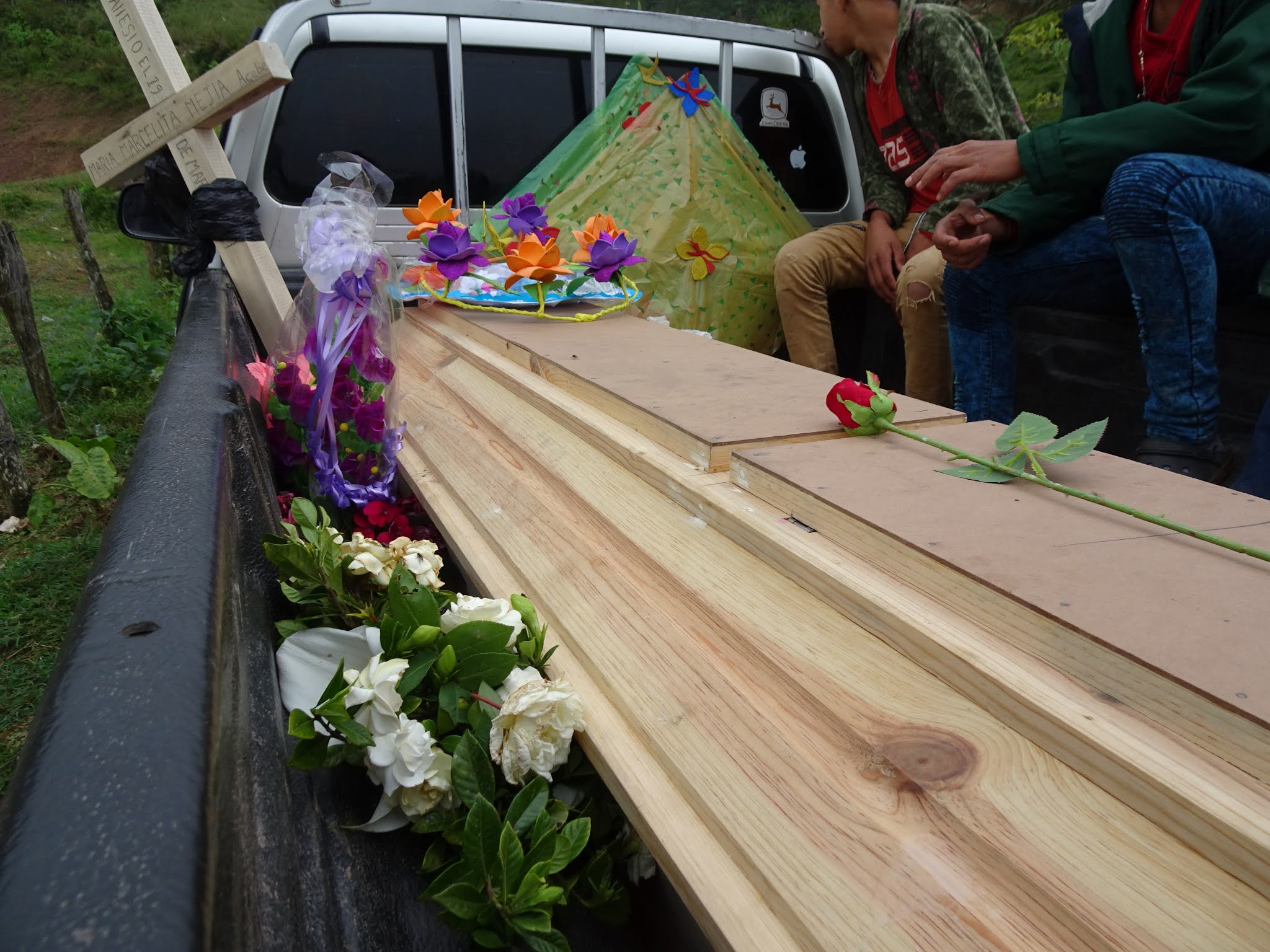
Visiting the sick is not always easy but is, for me, one of the most important my ministry as a deacon. Another important ministry is presiding at funerals.
I find that I am transformed when I am at the side of those who are suffering and grieving.
That’s what Good Friday is for me.
* * * * *

A DAY OF RETREAT IN JERUSALEM - November 2004
from my Palestine vignettes, slightly edited
My friend had arranged a very full schedule for me for my twelve days in the holy land. I was so busy that I hardly experienced any jetlag.
But by the end of the first week, I decided that I needed a day of quiet, walking alone through the Old City of Jerusalem.
I had hoped to get into Jerusalem early enough in the morning to visit the Harim al Sharif, the Noble Sanctuary, the site of the Dome of the Rock. However, I left Bethlehem late and managed to get lost in the Old City. So, when I arrived at the entrance, it was about to be closed to non-Muslims.
I proceeded to walk down the Kidron Valley and up the Mount of Olives to the Church of the Pater Noster on the summit. This is supposedly the site where Jesus often went with his disciples, where he taught them the Lord’s Prayer, and shared with them the discourses in Matthew 24 –25.
The church has the Lord’s Prayer in more than 100 languages on plaques on the walls of the grounds. I stopped and prayed in several languages. I made an effort to read the prayer in Nahuatl, the language of many Central Americans, as I remembered their suffering. I finally stopped in the little chapel on the site and sang the Lord’s Prayer in Latin.
“Your will be done” echoed in my heart.
THE VIA DOLOROSA
I proceeded down the Mount of Olives to visit and pray again in the Church of the Agony and in the Tomb of the Virgin.
After a short prayer in both places, I hurried to the Western Wall since the access to the Dome of the Rock would be open for an hour. I walked around and marveled at the beauty of the mosque with its exterior mosaic walls. The mosque is only open to Muslims.

I left the area by the exit near the Lions Gate and proceeded to walk the stations of the cross.
As I walked I saw some children in the Muslim Quarter playing; other children were just getting out of school, carrying their book bags on their back.
At one point I came across twenty or so Israeli soldiers, young men and women, filing out of a house and filling the street. They looked like new recruits.
As I stopped and prayed at the stations, vendors invited me into their stores and men offered to guide me to the holy sites. I turned down their offers – wanting the silence.
On the route of the first stations the streets are not very narrow and are open to the sky. But as I approached the seventh station the streets narrowed. Shops with everything from backlava to clothing to souvenirs crowded the street.
Praying at the little chapel of the fifth station, Simon helps Jesus carry the cross, I thought of my call to help carry the cross of the suffering people of the world.
But it was in the street, by the eighth station that I felt the weight of the cross – the pain and suffering of so many people. At the eighth station Jesus met the women of Jerusalem who are weeping. Jesus told them to weep, not for him but for themselves and for their children. I was again near tears, having witnessed not only the sufferings of Jesus but of the people of this blessed land.
As I approached the church of the Holy Sepulcher I realized that Christ went to his death not on a special day – but in the midst of a city that was bustling with people. And it is here that the crucified Jesus suffers still.
 |
| The Holy Sepulcher |
✠ ✠ ✠ ✠ ✠
I was inspired to write this by a post of Deacon Greg Kandra in The Deacon's Bench. Click here to read his reflection.


 Posts
Posts

