Showing posts with label Dulce Nombre de María parish. Show all posts

Tuesday, March 28, 2023

ROMERO, SCRUTINIES, AND MORE

I am in San Pedro Sula today, preparing for my third round of chemotherapy treatments. But the last four days have been adventuresome.

MONSEÑOR ROMERO 

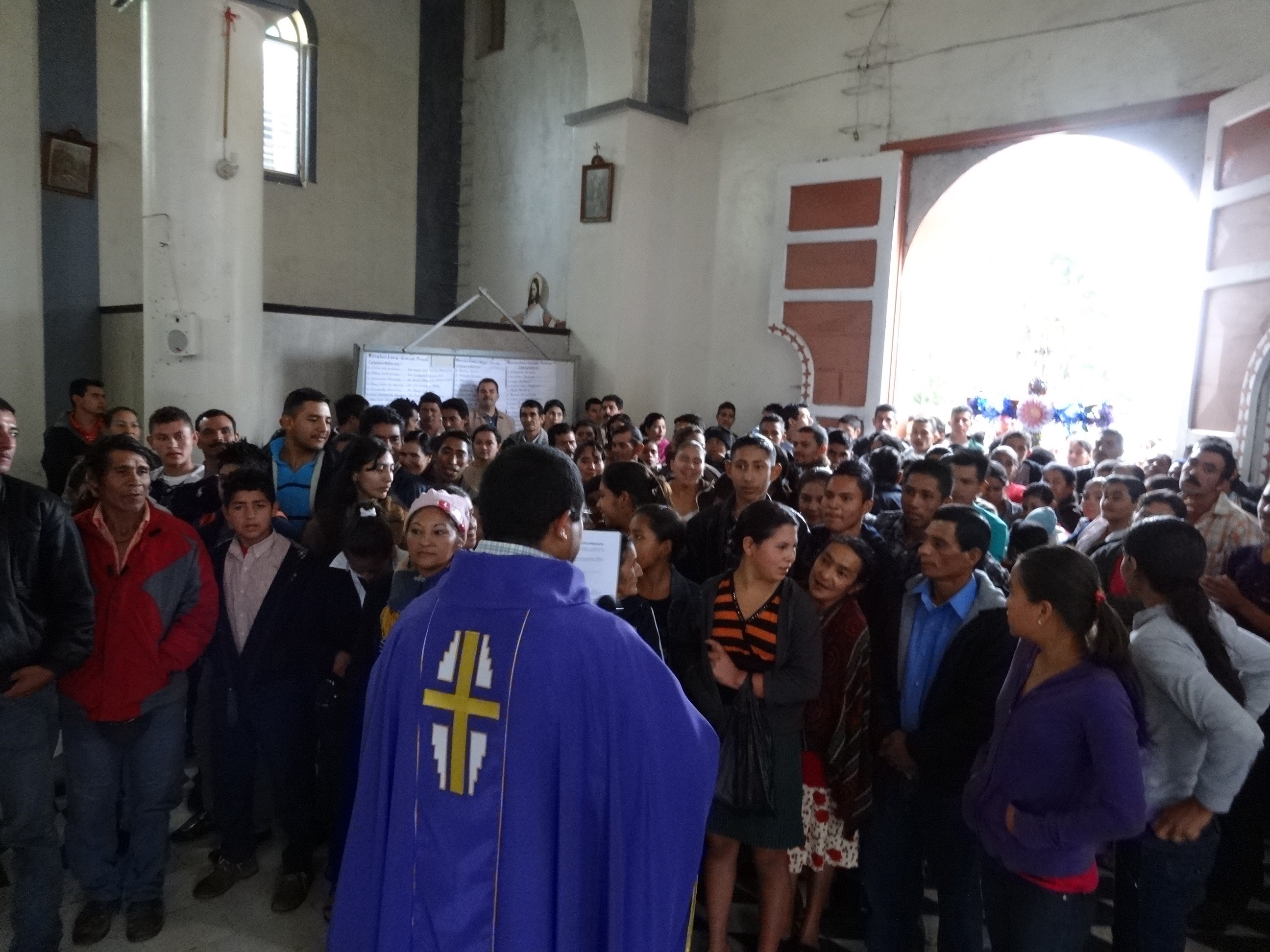
Friday was the feast of Saint Óscar Romero, bishop and martyr of El Salvador. This year there was a major celebration in the aldea of El Zapote Santa Rosa in our parish.
A young man in the community, Darling, is a grand devotee of Monseñor Romero and arranged the Mass with people in their village.
The church was packed. Darling and his brother Ronal provided the music.
We sang the Misa Popular Salvadoreña, a quite intense Mass composed by Guillermo Cuellar. We even sang the grand Gloria which Romero mentioned in his last Sunday homily, with these intense verses.
Pero los dioses del poder y del dinero 
se oponen a que haya transfiguración. 
Por eso ahora vos, Señor, sos el primero 
en levantar tu brazo contra la opresión. 
But the gods of power and wealth 
oppose the Transfiguration. 
Therefore, you, Lord, are now the first  
to lift up your arm against oppression.
This Gloria reflects the central role of the Transfiguration of the Lord in El Salvador, whose national feast day is August 6, the feast of the Transfiguration. 

I think that there is also a subtle – or not so subtle – reference to the statue of the Divine Savior in the Plaza El Salvador del Mundo in San Salvador...
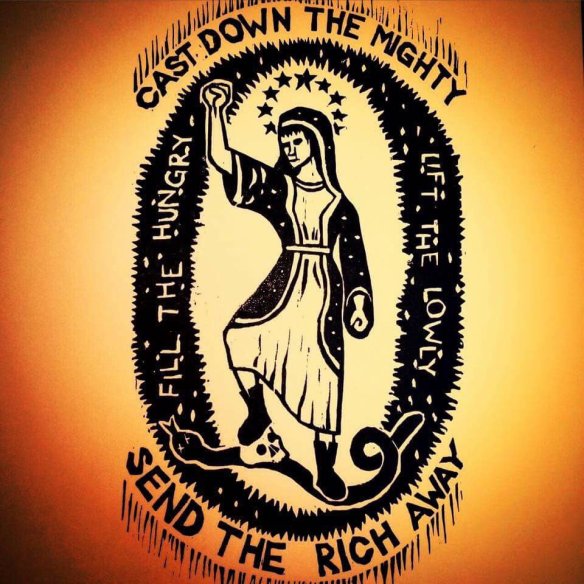
... and perhaps a hint of the revolutionary raising of the fist against oppression. Note this image of Mary of the Magnificat.
It was a good afternoon and I even had the privilege to preach at the Mass.
PREGNANT WOMEN 

Saturday, Padre German had a Mass for pregnant women in Dulce Nombre. I had forgotten about this and so didn’t attend. This was probably for the best since Sunday was busy. In addition, I had to work on the material for our parish stations of the cross.

CATECHUMENS AND SCRUTINIES

Sunday was busy – but in a very positive way.

At 9 am I found myself in Vertientes, a mountain aldea.

They have nine young people preparing to be baptized at the Easter Vigil. It’s the largest group from a single village. Of these, five are eighteen or older.

This year we have permission from the bishop for the pastor to confirm those catechumens who are 18 or older at the Vigil. This is the tradition in most of the world, but until this year the catechumens only received the sacraments of Baptism and Eucharist at the Vigil. Of the 38 or so catechumens, about 12 will be confirmed at the Vigil this year.

Since we have the catechumens in scattered villages, we try to do the major rites in the main church but we celebrate the scrutinies in the villages. It was with great joy that I could do it in Vertientes. 

But there was another special reason to be there.

One of the catechumens had missed the rite of inscription (or election) in Dulce Nombre on the first Sunday of Lent. This young man and his brother are both preparing for their baptism. Both have some intellectual deficiencies and the younger one sometimes has difficulty focusing. With great affection, I call him our lost sheep.

He came with the group from Vertientes for the rite of election, but he got lost and didn’t arrive at the church until the end of Mass.

When I went to Vertientes the next Sunday, I met him on his way to Dulce Nombre; he seems to have had no sense that I would be there for the rite. In fact, the next day he showed up in Dulce Nombre for a meeting that had nothing to do with the catechumens.

This Sunday, though, he was there. His presence, and the efforts made to include him make real for me Jesus’ parable of the lost sheep.

After the Celebration, I headed home for a few hours before heading out to San Agustín for Mass. 

There also I celebrated the rite of election with a young man who had also missed the rite in Dulce Nombre. (Some liturgists might not approve of all this, but we have to respond to the pastoral needs of people of all types in all types of situations.) 

When I arrived, I found that Padre German was hearing confessions. He is trying to visit all the communities to offer them opportunities for confession during Lent. The lines are often long, as they were in San Agustín.

Mass was supposed to start at 2 o’clock and he was still hearing confessions at 3 pm. 

So, he started Mass, handed over the Liturgy of the Word and the Scrutinies to me, and returned to hear confessions.

It was a great privilege to be able to pray the scrutinies another time – after leading the San Agustín community in the Celebration of the Word and sharing a homily with them. 

I was moved as I prayed, laying my hands on the heads of the three catechumens there in San Agustín.
Padre German emerged at the Offertory (even though there were still a few people waiting for confessions) and he finished the Mass. He’ll return to San Agustín on the morning of Wednesday in Holy Week for confessions for the sick and others.

After Mass, he had a Mass in Plan Grande in thanksgiving for someone’s safe return from abroad. I opted out since I was rather tired. I also had to prepare the texts for our parish Stations of the Cross this coming Friday.

LAB TESTS AND EXPERIENCING VULNERABILITY

Monday morning, I had to get lab tests in Santa Rosa to prepare for another chemotherapy session on Wednesday. I got there late – fasting.

After the test I went to a café to have breakfast. Even after eating I felt a little off and, as I put my computer in my backpack, I fainted. I recovered a bit with two large glasses of water and then decided just to sit and rest. 

All of a sudden, Padre Elias, a priest of the dioceses and director of the radio station, dropped in. The owner of the café had called him to tell him of my fainting. I am moved by her concern and the effort of Padre Elias to accompany me. 

So life goes on with many surprise blessings. 

HOLY WEEK BEGINS

Our parish stations of the cross in the streets of Dulce Nombre is Friday. Next week is full of Holy Week activities. 

I have to evaluate carefully with the pastor what I can do. I don’t want to do either too much or too little.

I have a retreat with the catechumens and their sponsors on Tuesday of Holy Week, but I am already working to involve two other persons in the retreat. (I’m finally learning to share responsibility.) 

There are lots of processions during Holy Week. I won’t be walking in them, though I will probably ride in the car that has the sound equipment and participate in the Masses after the Stations on Friday and on Palm Sunday and the Easter Vigil. 

It’s a great temptation to try to do too much – but learning to recognize my fragility is one of the most important lessons for me this Lent.

Pray for us, especially for the catechumens who will be baptized at the Easter Vigil. May we be signs of hope and resurrection for our parish, our nation, and the world.


-------

Note: I refer to those who will be baptized at the Easter Vigil as "catechumens," even though they are, at this point really the "elect" - after the rite of election on the First Sunday of Lent. 

Monday, February 27, 2023

Christian Initiation of Adults in the Dulce Nombre parish

Yesterday we celebrated the Rito of Election of the process Chrsitian Initiation of Adults, I decided it might be helpful to give an idea of what we do.
2023 - election of catechumens

When I was at St. Thomas Aquinas Church in Ames, I got to learn a lot about the journey, observing the parish's practice. 

But our parish is so different.

The parish of Dulce Nombre de María includes about 45 widely scattered places of worship, in five municipalities. Four of these are the municipal seats – Dulce Nombre is the largest of these and has three churches. Some of the aldeas, villages, are fairly large with more than 1000 people, including El Zapote Santa Rosa, Candelaria Concepción, Plan Grande Concepción. There are a few places that are more like hamlets, caserios, with a few families or even just one extended family. 

Religious formation takes place in the cities, villages, and hamlets. Sometimes there is only one catechist. Many of the catechists have limited formal education. This past year there have been several young people who are in formation to be catechists in their communities. In one, more than five are in formation; most of them were confirmed last year. 

The bishops’ conference and the diocese are promoting religious formation by levels. This is difficult for us because of the number of catechists we have. We were about to do pilot projects in three places when the pandemic changed our plans.

Most of our formation is preparation for the sacraments. 

There are three different formal processes for the sacrament of baptism. 

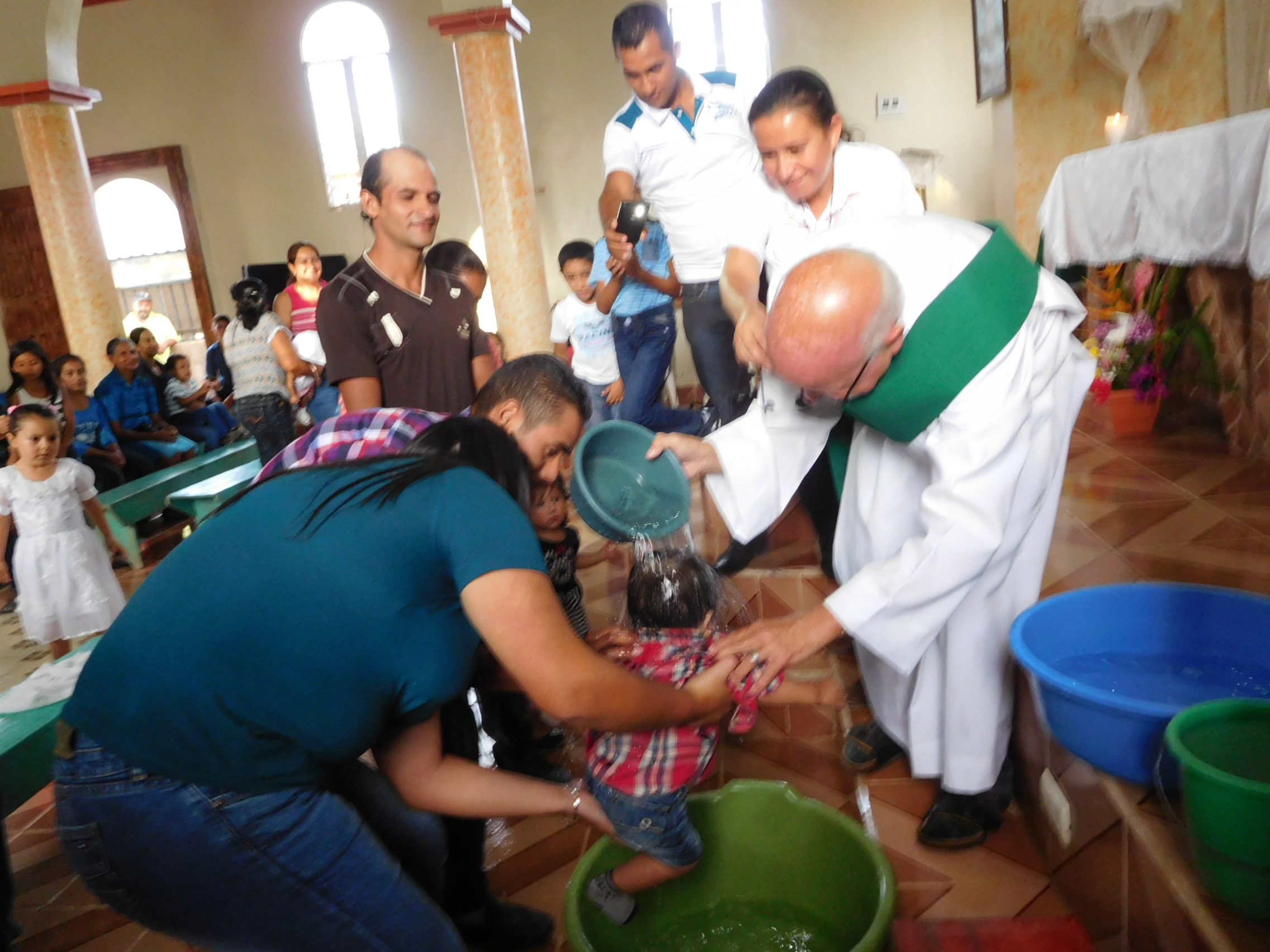
For children under seven, the formation is for parents and godparents: six sessions and a retreat. Each year there are one or two celebrations of baptism of children in most communities.
A baptism in 2016 in Plan Grande

There is a separate process for children between seven and thirteen. This is almost a year long and begins whenever the catechists on a village are ready to do the catechesis and have enough candidates. 

The third process is for those fourteen and older, the catechumenate. 

For a number of reasons, a fair number of young people are not baptized as babies and so there are a good number of children between 7 and 13 baptized in their communities. And there are also young people who wait until they are 14 or older.

There is not a tradition of baptism soon after birth. I have baptized few babies less than a year old. I am not sure if there are cultural reasons or if this is merely a holdover from the time when the parents had to be married in the church and in a base community in order to have their children baptized. (Thanks be to God this ended in our parish in 2013 with the new pastor, Padre German.) 

There are usually a good number of children between 7 and 13 who are baptized each year. (There were more in the past when the regulations about married parents were in effect.) 


This year we have about 37 catechumens who will, God willing, be baptized at the Easter Village. More than 12 of them are over 18, though the majority are between 14 and 18.

We are probably one of the few parishes in the diocese who have a program for Christian initiation of adults. Due to the expanse of the parish, we don’t have a centralized catequesis. Most of the formation goes on in the local community, even if there is only one candidate. I have tried to encourage neighboring communities to join together and this has happened in a few places. 

The formation normally begins 8 or 9 months before Easter. 

 We do celebrate the major rites in the main parish church in Dulce Nombre. 

We celebrate the rite of acceptance into the catechumenate on the first or second Sunday of Advent. This past December we celebrated the rite on December 4, since the first Sunday of December we had the visit of the image of Our Lady of Suyapa in our parish. There were 40 candidates. 
welcoming the catechumens at the church entrance, December 2020

 We use the rites from Mexico, although I have added the signing of the feet from the US Spanish version. I think it is such a significant part of the rite that we have adapted it for our parish. How important it is to see godparents, priests, and even a deacon on their knees, signing the feet of the candidate!

signing of the hands


signing of the eyes

signing of the feet

Signing the feet, San Agustín 2017

This past Sunday we celebrated the Rite of Election in the church with 36. A few dropped out. One has Sunday morning classes and couldn’t get permission for the rite. Another didn’t get to the church on time – a longer story. The pastor or I will arrange for the rite in their communities. 

Since we don't have a book of the elect and because some of the catechumens can't write their names, we give each  a card and have someone write their name. They sign or put their thumbprint on the card. In the rite we have them come forward, put the card in a bowl and say their name aloud. 


I had enough energy to be able to help arrange the rite at a special Mass at 10 am in the parish. I even preached – very much inspired by the presence of so many catechumens. I reminded them that they were elected (elegidos) – not like the politicians, but “chosen” (elegidos) by the Church, the People of God.


The diocesan radio station, Radio María, broadcasts Masses every Sunday and usually broadcasts a Mass from Dulce Nombre once a month. Yesterday’s Mass and Rite of Election were broadcast. I talked to the staff of the Radio who were unfamiliar with the Rites of the Christian Initiation process. 

In Lent, there are a number of rites and activities for the “elect.”

There are three scrutinies which involve prayer and “exorcisms” as well as the handing on (entrega) of the Creed and of the Our Father. We have designed our formation so that the Creed and the Our Father are handed to the elect during their weekly sessions. 

But I was concerned about the scrutinies. It would be a major burden (of time and money) to have them come to one of the Sunday Masses, if they lived far from the Mass sites. Where there is a Mass nearby or where I could get to a Sunday morning celebration, we would use the scrutinies in the rite. 

The pastor usually celebrates Mass in five different sites – Saturday evening in Dolores, Sunday morning in Concepción and in the Saint Anthony Church in Dulce Nombre, Sunday evening in the main church in Dulce Nombre. He also usually has one or two Masses in other places in the afternoon – every other week in San Agustín. 

Scrutiny in San Agustín, 2018

I have tried to get to a village with “elect” for the rites on several Sunday mornings. It has been a real blessing, especially when a community has several “elect”. 

I spoke with Padre German about this yesterday and gave him the list of communities where there are “elect” as well as the scrutiny rites. He visits communities for Mass every day. His suggestion is that he could preside at the scrutinies at the Mass in the community during the week. For me, that seems great.

My pastoral solution for the other communities was to do a minor re-write of the scrutinies so that they could be celebrated without a priest or deacon in the communities. The scrutinies of the “elect” would take place in a community Celebration of the Word, led by the local Delegate of the Word and Catechist

In the past, the final preparation for the Easter Vigil was a retreat in their communities. But this often meant that there were only one or two in the retreat. This year we will have a retreat for all the “elect” on the Tuesday of Holy Week. This shouldn’t be a major problem since Holy Week (Semana Santa) is a major holiday. 

In our parish most local communities pray the Stations of the Cross in the streets of their villages on the Fridays of Lent. In addition, we have a parish wide Stations of the Cross on the Friday before Holy Week, traditionally the feast of Our Mother of Sorrows. We encourage our elect to take part in these as part of their preparation.

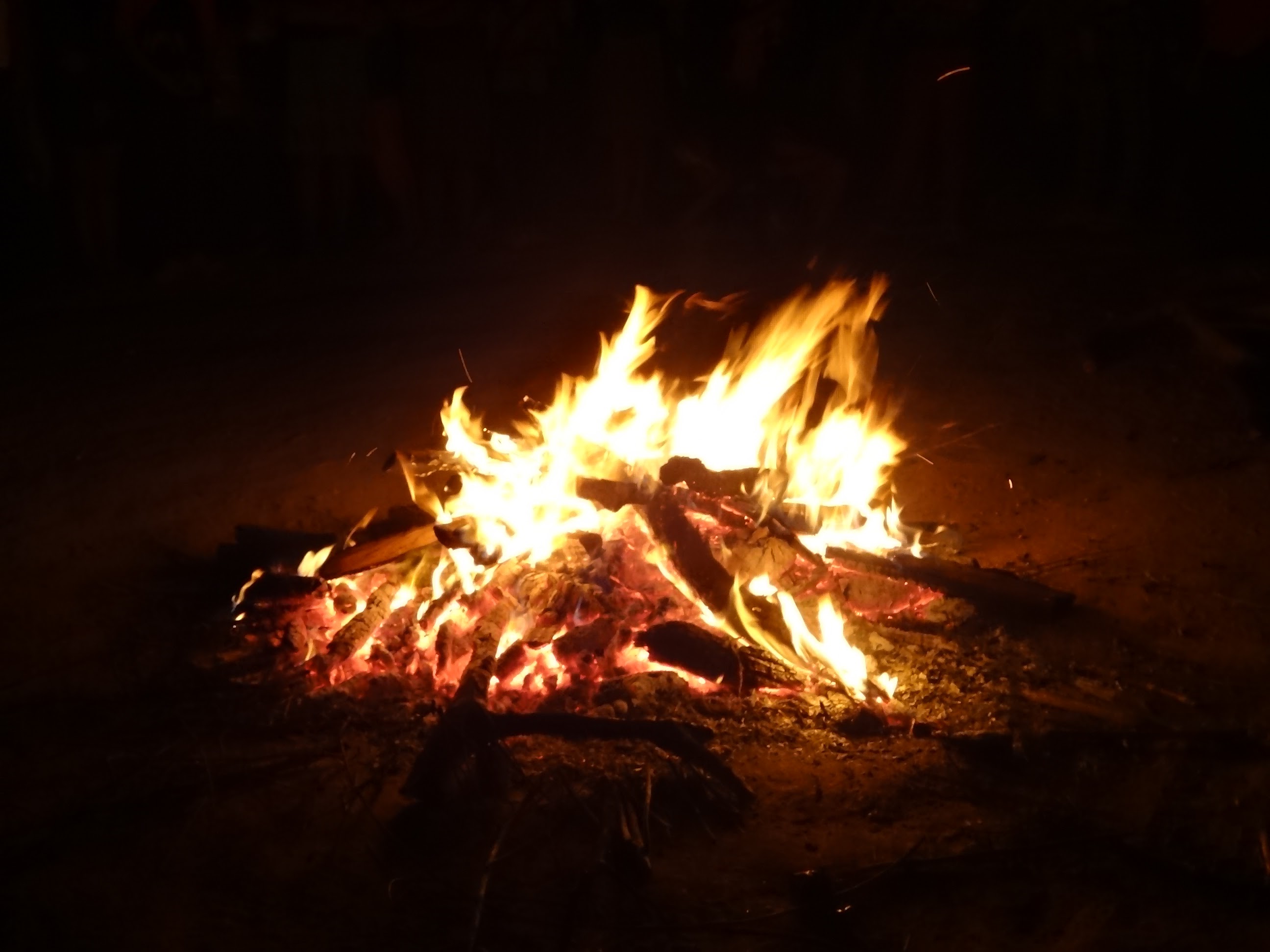
The Easter Vigil is quite a celebration here. We begin in a field with the Easter Fire and then go in procession with the Paschal Candle to the Church. 

2015


2022

Last year we used the auditorium to accommodate all the people who came. 

2022

I’ve sung (or tried) to sing the Exultet, though I may not try this year, due to my health. We also use all the readings and sing all the psalm and canticle response. 

Baptism is not a simple pouring of a little bit of water. The elect are baptized in a bath of water! 


In many parts of the world, the catechumens are fully initiated in the Church in the Easter Vigil receiving the three sacraments of initiation – Baptism, Eucharist, and Confirmation. 

I am not sure why, but in our diocese the catechumens have not been confirmed. I guess the bishops want to confirm them, probably to connect them with the universal church. I can see why those under eighteen might wait until they can be confirmed with other young people of their communities, forming a community in the preparation for confirmation. But those over eighteen? I am trying to get our bishop to permit our pastor to confirm those who are eighteen or older. 

With all the readings and baptisms, the Easter Vigil celebration can last from 5 to 6 hours. 

We are not very good with the mystagogia – the continuing formation after Easter, trying to incorporate the newly baptized into the community. 

This year I’ve asked the catechists to bring all the newly baptized to the Pentecost Vigil, which, for us, is an all-night vigil. I need to think of other ways to involve the newly baptized in the life of the church, especially those who are adults, eighteen or older. In the meantime, I look forward to the upcoming weeks, praying for strength.

This Sunday, I’ll go to Vertientes for the Rite of Election for the catechumen who got lost (and arrived at the end of the Mass.) Does this sound like the parable of the lost sheep? Not my plan.

If I have the strength, I’ll get to two or three villages for Sunday morning Celebration of the word with Scrutinies and Communion. The big challenge is the retreat in Holy Week. I hope I can work on this with some catechists. 

But the big night will be the Easter Vigil. I hope I have the strength and stamina (and the wisdom to involved lots of catechists in the process.) I will probably not take part in the procession and try to take rest during the readings.

But I want to be there for the baptisms and the First Communion of the elect. It’s a highlight – because I have seen the grace of God in the eyes and faces of so many. Here are a few pictures from previous years.

2015

2022

2015


I would be remiss if I didn't mention that we also have baptized persons preparing for matrimony who are not yet baptized. Besides receiving the pre-marriage formation, they receive a mini-catechesis on baptism and Eucharist. Either Padre German or I have baptized persons, sometimes in the mornng of their matrimony. 


In 2020, I baptized three persons preparing for their matrimony - in the middle of the pandemic!


There's another sacramental story here - five couples from one distant community planned to get married before the pandemic struck. They continued and were married together on August 24, 2020, in a room in the classroom of their aldea, since the church was not finished. Here's a photo of one of hte couples.


Sunday, January 08, 2023

Quite a day

Saturday was quite a day. 

I woke up early (5:20 am) to a chill morning (55 F on the terrace). After putting on the coffee and taking a warm shower, I sat down to pray in my prayer room. About 7:00 am, I had breakfast, washed some clothes and hung them up to dry, even though it’s cold and drizzly. I also did a bit of computer work. 

From my house on the morning of January 1

At about 8 am, I headed out to Dulce Nombre. I had an interview with a couple who will be married next week. These interviews are part of their final preparation – going through a number of questions with them and two witnesses to make sure there are no glitches and that they can freely and voluntarily share the sacrament of matrimony. 

Often these interviews are a gift for me, giving me a share in the lives of a couple who want to welcome God in their marriage in a special, sacramental way. Sometimes they are couples who have not been living together, but often these are couples who have lived together for several years and have children. In a culture where many couples just get together and have kids, it is a real sign of faith when a couple decides to share the sacrament. 

 This time, the interview was especially significant. I’ve known the husband since my first years helping in the parish. He was involved in some of the youth group activities. I also had the privilege of baptizing their child two years ago. 

After the interview, I went to the meeting of the extraordinary ministers of communion in the parish. They meet every month and I usually accompany them. This time, though, they accompanied me. 

This week I’ll be going to San Pedro Sula for a biopsy of my prostate. I had asked our pastor, Padre German, if I could receive the sacrament of the anointing of the sick and I requested that we do this during the meeting of the ministers. 

So, after the meeting was finished, we gathered around and celebrated the sacrament. Before being anointed on the forehead and the hands, we prayed the penitential rite and Father German read the Gospel of the healing of the servant of the centurion. I found myself close to tears, surrounded by the love of God and of Padre German and the communion ministers. In some ways, I felt like the sick man let down by his friends into the house where Jesus was (Luke 5: 17-26), surrounded I was by those who were present and by others who have supported me in this time and who have offered to help me. 

After this, the ministers had a gift exchange and then lunch and a cake. 


Rather than go back home, I stayed around the parish center since at 4:00 we celebrated the 17th anniversary of Father German’s priestly ordination.
I got home close to 7:00 pm, had dinner, read, and prayed. 

Sunday, I went to a rural village for a Celebration of the Word with Communion. In the afternoon, I went to San Agustín for Mass, serving as deacon and preaching.

Tomorrow, I’ll be preparing for my trip to San Pedro on Tuesday. 

I’ll close with this rather amazing photo that someone took yesterday before the Mass to celebrate the anniversary of Father German’s ordination.

Thursday, December 22, 2022

Advent 2022

This has been quite a different Advent for me.

Apse mural, Dulce Nombre

Advent began with the visit of the image of the Virgin of Suyapa in the parish. This year, the tiny image of the Virgin of Suyapa has been visiting all the dioceses of Honduras. The image arrived in our parish on Saturday, November 26.
After a visit to the church in Concepción, we celebrated with an all-night vigil in the parish auditorium, attended by more than 1000 people.
I took a few breaks and fell asleep for a short time before Mass at midnight as well as in the early morning. We also had a Mass for the first Sunday of Advent in the parish at 9 am – at which I preached. 

That week, I had the first of five pre-marriage interviews I've had in the last four weeks. The couple first meets with the pastor and then has a twelve session formation with leaders in their villages. Before the marriage date is set, I meet with the couple and two witnesses. For me, it is an honor to be able to be present and to help them in their final stages of preparing for the sacrament of matrimony. 

That week, Sister Nancy Meyerhofer, a Dubuque Franciscan sister who is a good friend and has been here in Honduras for 16 or so years, came over for a short visit. We had a two hour long lunch and a long supper and many hours of talk. She was very much responsible for enabling me to be able to come here to work in the diocese in 2007. She and the other Dubuque Franciscans will be leaving Honduras next month, which will leave an empty space in Honduras and also for me.

The second Sunday of Advent the parish received forty into the catechumenate, who, if they persevere, will be baptized in the Easter Vigil.  I work with the catechists and so I was glad to see them there with the new catechumens who were between 14 and 40 years old. I talked with them before the Mass and then I went with them after the Homily for a reflection period. I had a chance to speak with a number of them and it was a joy to hear of their desire to be baptized. One catechist, from a village that has 9 catechumens. introduced me to two young men in their twenties who have learning difficulties; they were so enthusiastic that I could not help but feel the hand of God in all this. A day later reflecting on this I was filled with tears of joy. 

Since I had not been at a complete Mass that Sunday morning and hadn’t had the chance to receive Communion, I went to Mass that afternoon in Dolores and preached. 

Monday through Wednesday we had a diocesan assembly, evaluating and looking toward the future. I found myself often just hanging around, sometimes with the priests and lay people. The last day I was standing around with a number of people. They asked me how long I had been there in Honduras. When I said 15 years, they said that I was in one sense a Honduran – one even saying that I was more catracho [Honduran] than gringo

Also, a number of them from the southern part of the diocese talked with me about Father Beto Gallagher, a US Capuchin priest who worked there for several years. (I wrote about him in part of the past found here.) He is buried in the church in San Marcos Ocotepeque. I find myself humbled and graced that I remind them of him. He was a priest who was really with the people. One man told how if Frey Beto was in a meeting and someone arrived and there were no chairs, he would give up his chair and sit on the floor. He was my type of missionary. 

Friday, I had a meeting for new catechists. The attendance was low, probably because many are working in the coffee harvest. Picking coffee is one of the few ways that many people in the countryside have to earn cash. I completely understand their absence. 

I used this session to help the new catechists understand the Mass. Previous sessions for the new catechists have included discussion of Baptism, grace and sin, and the Bible. The new catechists also are expected to attend the meetings every other month for all the catechists. In this way, I hope that they will be ready in about two years. 

Saturday, there was a get-together of people from the deanery in a rural ecotourism center outside of Corquín, which featured animals, including crocodiles.
What was most interesting was the road to the center, which was by a river that had been diverted by the hurricanes of November 2020.
The third Sunday of Advent I went to the early Mass in Dulce Nombre, where I preached again. Our pastor, Padre German Navarro, is very open to having me preach, which is a blessing that many deacons don't have. I think it is also a chance for him to rest, since he usually has four or five Masses each Sunday in different parts of the parish.

I had been invited to attend the middle school graduation of the students in the IHER program in Dulce Nombre on Sunday afternoon. The student listen to radio programs during the week, fill out a work book, and have classes on Saturdays and Sundays. I was glad to see so many young people, including some I know, continuing to study after sixth grade, since most rural villages only have elementary schools. This program is an alternative to classes on Mondays through Fridays, which would be difficult for many from rural villages. About 150 students receive partial scholarships each year, thanks to our sister parish, St. Thomas Aquinas in Ames.
Monday there was Mass for the feast of Our Lady of Guadalupe in the small village of Torreras. Lo and behold, the Mass was held in the home of one of those who had graduated in Dulce Nombre the day before!

That Tuesday two good friends from Central Iowa, Gary and Nancy Guthrie, arrived and I picked them up at the airport. 

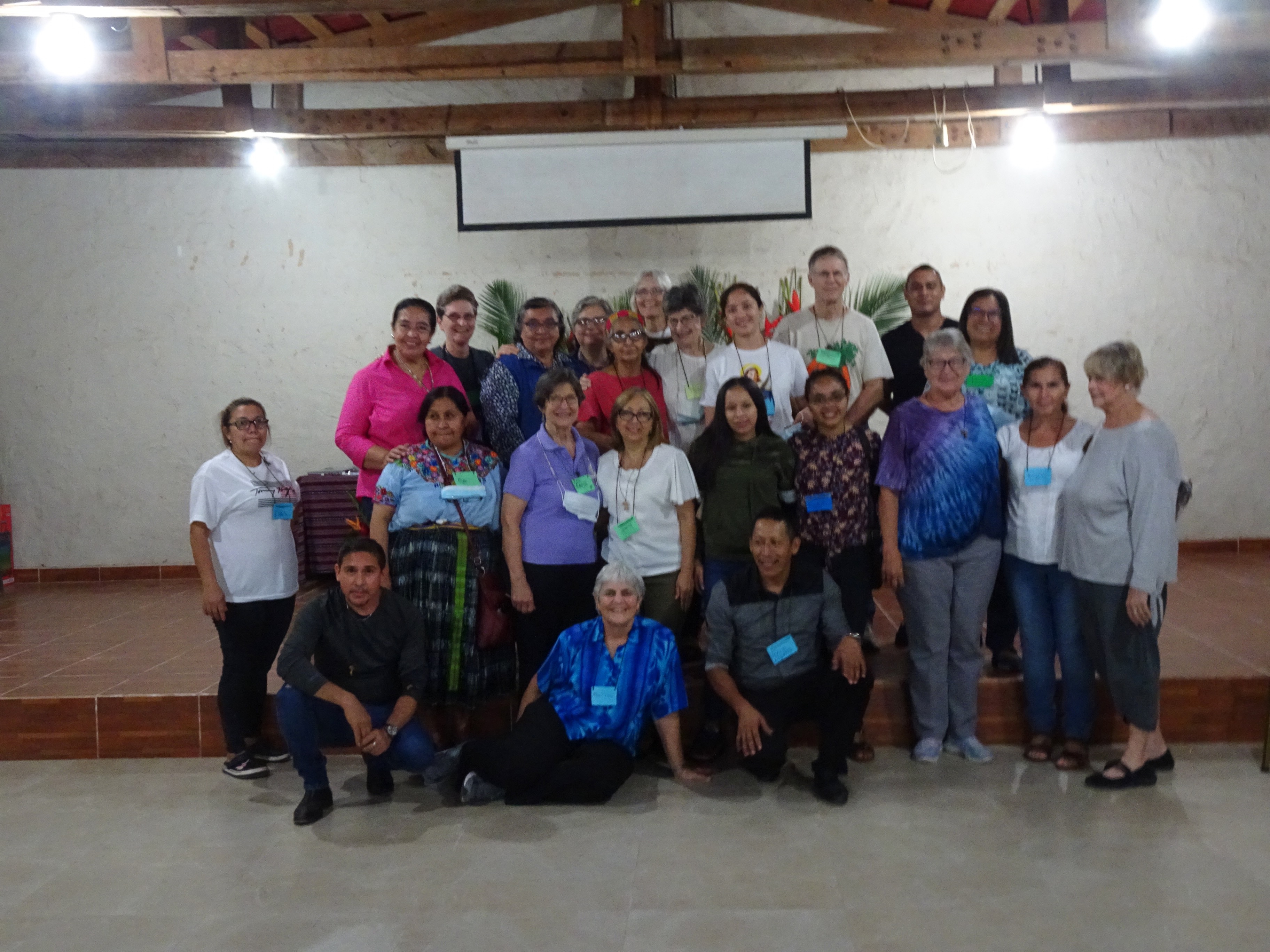
They had come mostly for a meeting of the Central American associates of the Dubuque Franciscans. They are associates in the US and it was good to have them here to know the Central American associates, who come from Honduras, Guatemala, and El Salvador. 

Gary and Nancy have been here before and speak Spanish (having been volunteers with the Mennonite Volunteers in Bolivia and El Salvador in the 1980s.) We had a great visit – mostly talking and eating a few simple meals before and after the meeting. They even got a chance to work a few hours on the parish coffee fields. I didn't get a picture of them, but here's my pickup loaded with people who helped with the coffee picking, going back to their villages.
    
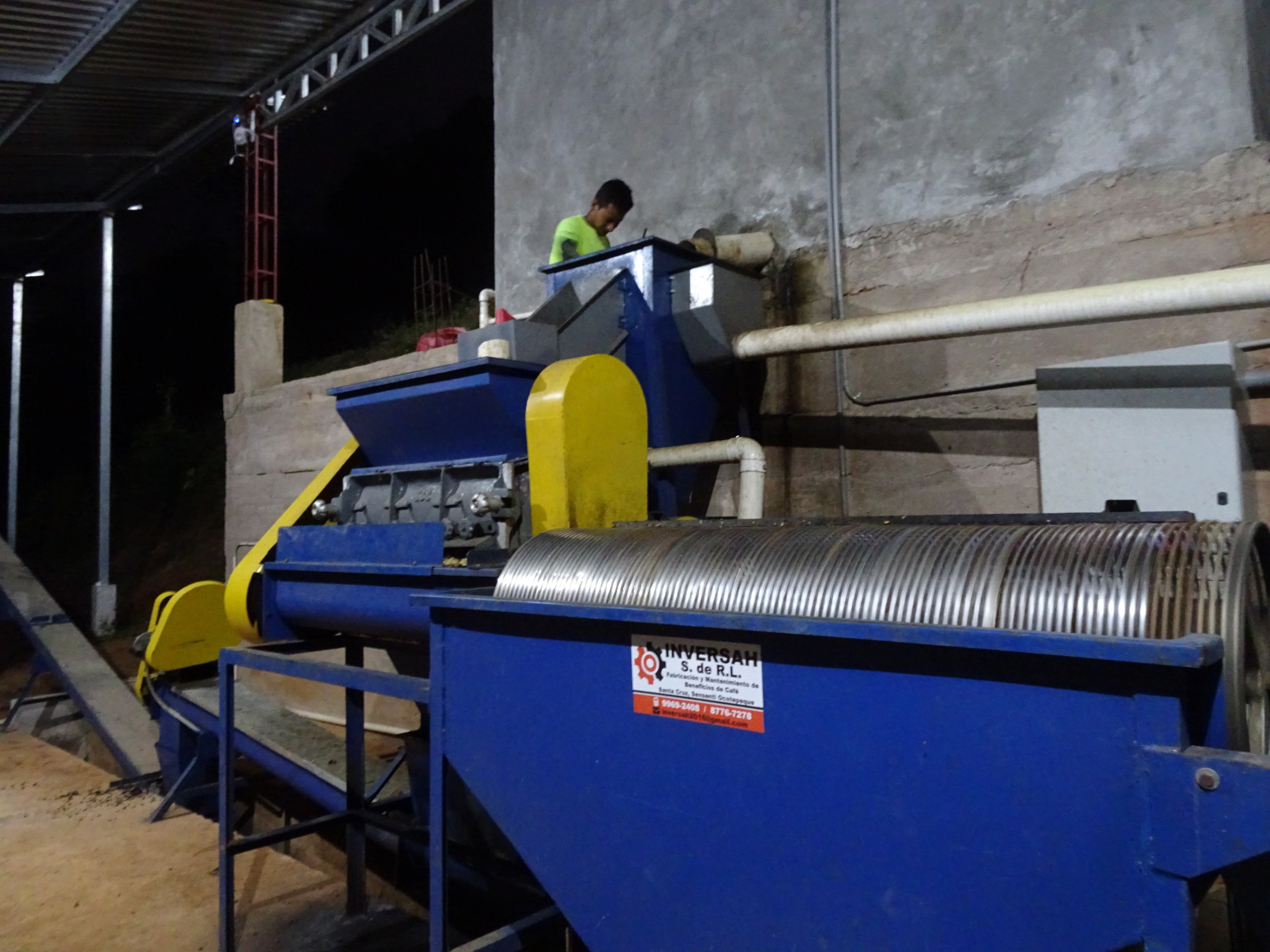
Monday, their last night here, we went out to the El Zapote coffee association’s buildings and watched the machines at work.

The meeting of the associates was a good time to get to know a bit more the other Central American associates. Since the sisters are leaving, we have to find our way to live out the Franciscan charism and to keep a relationship with the sisters. This will be a challenge and we all have to work on this.
The sisters and associates
Padre Loncho celebrated Mass (and I served as deacon)
Sister Brenda Whetstone who was visiting sharing bowls with Gary and Nancy.
New associates with Sister Pat Farrell

On Monday, I made a visit to the parish center to talk with a muralist who is there to paint ten images of American saints in the church (above the columns in the nave.) These are the saints we plan to commemorate: Saint Martín de Porres, Santo Hermano Pedro de San José Betancourt, San Juan Diego Cuauhtlatoatzin , Santa Kateri Tekakwitha, Santa Dulce Pontes, San Francisco Solano, San Toribio Romo González, San José Sánchez del Río, San Pedro Claver, and Santa Nazaria Ignacia March Mesa. (How many can you identify?) It was hard to make the choices and we didn’t include the many blessed from the Americas. We hope this helps people recognize sanctity in our continent.

Wednesday, after leaving Gary and Nancy at the San Pedro Sula airport on Tuesday, I met with a urologist in San Pedro and tried to make an appointment for a test in January.

On a personal level, I’ve had bronchitis and then a bad cold. Not fun. As a result, I haven’t got out to visit the sick. 

 Tomorrow, there is a get together for the clergy of the diocese. 

 In some ways this has not felt like Advent – and I don’t feel ready for Christmas. But it ‘s coming. 

Saturday Christmas eve, I’ll spend the morning and early afternoon baking – making cinnamon rolls and more.

Then, I’ll be at a 6 pm Mass with baptisms in Plan Grande. I’ll also go to Dulce Nombre for the 10:00 pm "Midnight" Mass, which has been a custom. Christmas morning I’ve been invited to a community for a Celebration of the Word with Communion.

After that, I’ll head to La Entrada for the traditional Christmas lunch with the Dubuque Franciscan sisters. For me, it will be bitter-sweet since It’s the last time I’ll be at a holiday meal with the sisters. 

The week after Christmas I have two commitments, one will be working with several priests to develop materials for the weekly meeting of the base communities. But I’m hoping to take it easy, cleaning the house, preparing for the new year, and catching up on reading and correspondence. 

In the meantime, I ask you for your prayers for our parish and for me. I pray that your lives may be filled with hope. May God-with-us bless all of you who have read this.